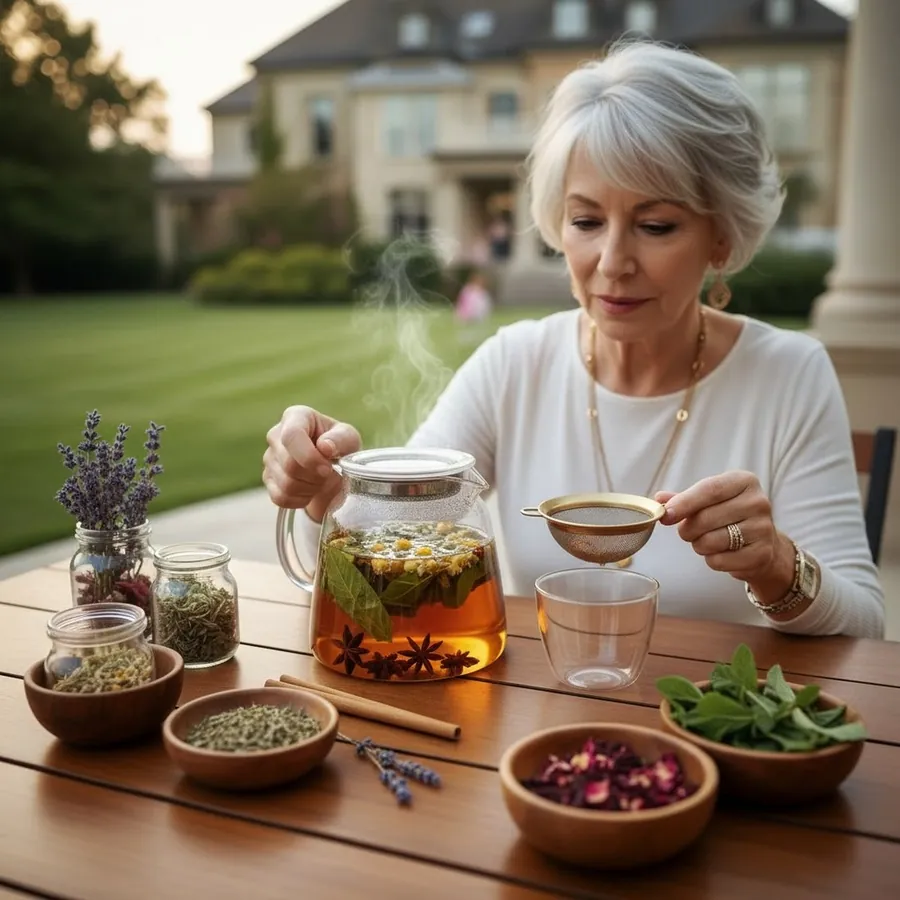
Muti and ceremony on one side, daily herbal wellness practice on the other.
South African traditional medicine is not one single practice — it's several living branches of the same deep root, each carrying age-old traditions forward in a different direction. Understanding the difference matters, both for anyone new to this world and for anyone trying to find the specific thread they're actually looking for.
One branch of African traditional medicine sits closer to the spiritual and ceremonial side of practice. This is the world of muti — a broad Zulu and Xhosa term for traditional medicine, ranging from herbal preparations to ritual objects. It's also the world of isiwasho (ritual cleansing washes), mpepo (traditional incense, burned in ceremony), and the wider practice of traditional healers — sangomas and inyangas — who work with ancestors, spiritual protection, and ceremonial guidance as much as with plants themselves.
This branch of tradition is real, old, and deserves to be treated with the same respect as any other living cultural practice. It's simply not the branch EarthTrace works in.
The other branch — the one this site is built around — is the herbal wellness tradition: plant knowledge developed and refined for physical wellbeing, daily vitality, and seasonal resilience, passed down the same way for generations, but applied to the practical rhythms of everyday life rather than ceremony or spiritual protection.
This is the tradition behind an evening ritual for rest, a daily practice for vitality, or a seasonal blend prepared before winter arrives — herbal products built from real traditional knowledge, documented honestly, without stepping into ceremonial or spiritual territory that isn't ours to package and sell.
Traditional healers across South Africa have long held both branches together as one integrated practice — that's the authentic, original context of this knowledge, and it deserves to be understood accurately rather than flattened into a single marketable idea.
What EarthTrace documents is specifically the herbal wellness thread of that inheritance: age-old traditions of plant knowledge, carried forward for people looking for a daily practice rooted in real South African heritage — not a substitute for consulting a traditional healer, and not a claim to the spiritual or ceremonial side of the practice at all.
Ancestral wisdom is bigger than any single company, and South Africa's traditional medicine deserves to be represented in its full breadth — muti and ceremony on one side, daily herbal wellness practice on the other. We only claim to document the second.
If that's the branch of tradition you're here for, our six guides go deep into exactly that — real traditional herbal practice, documented honestly, for the specific moments daily life asks something of you.
Further reading: Wikipedia: Sangoma · Wikipedia: Muti
This article shares traditional and ancestral wellness knowledge for educational purposes only. It is not medical advice and is not a substitute for consultation with a qualified healthcare professional. Read our full disclaimer.