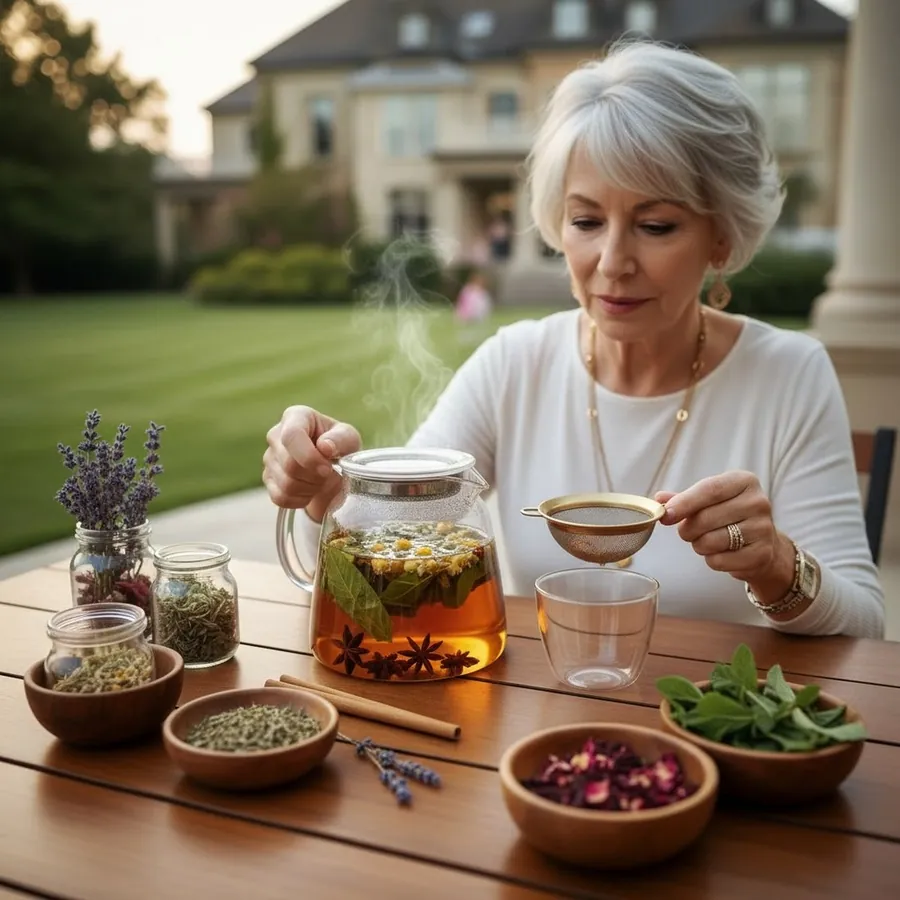
A living history, still practiced today rather than confined to the past.
African herbal medicine is not one practice but thousands of distinct regional healing traditions, each shaped by its own climate, soil, and community, and passed down generationally through direct observation rather than written texts. Long before laboratories and synthetic compounds, African communities were already practicing a sophisticated, generational science of the body — one built entirely from observation, tradition, and the land itself.
Africa is home to one of the richest concentrations of plant genetic diversity on Earth, with thousands of distinct healing species identified across its ecosystems — from the fynbos of the Cape to the deserts of the Kalahari and Karoo. Communities across the continent developed precise, tested knowledge of which plants supported which aspects of health, refined and passed down across countless generations.
Unlike many Western medical traditions, African herbal knowledge was rarely written down. It moved from elder to younger, from healer to apprentice, through direct teaching and lived experience. This oral tradition is precisely why so much of it remains under-documented today — and why preserving it accurately, respectfully, and in accessible form matters more than ever.
Far from being a relic of the past, this knowledge continues to inform how many South African and sub-Saharan communities approach immune health, stress, recovery, and daily vitality. At EarthTrace, we've documented six of these traditional protocols in full — not as folklore, but as complete, usable guides for anyone seeking to understand and apply this inheritance today.
Further reading: Wikipedia: Traditional African medicine · Wikipedia: Oral tradition
This article shares traditional and ancestral wellness knowledge for educational purposes only. It is not medical advice and is not a substitute for consultation with a qualified healthcare professional. Read our full disclaimer.