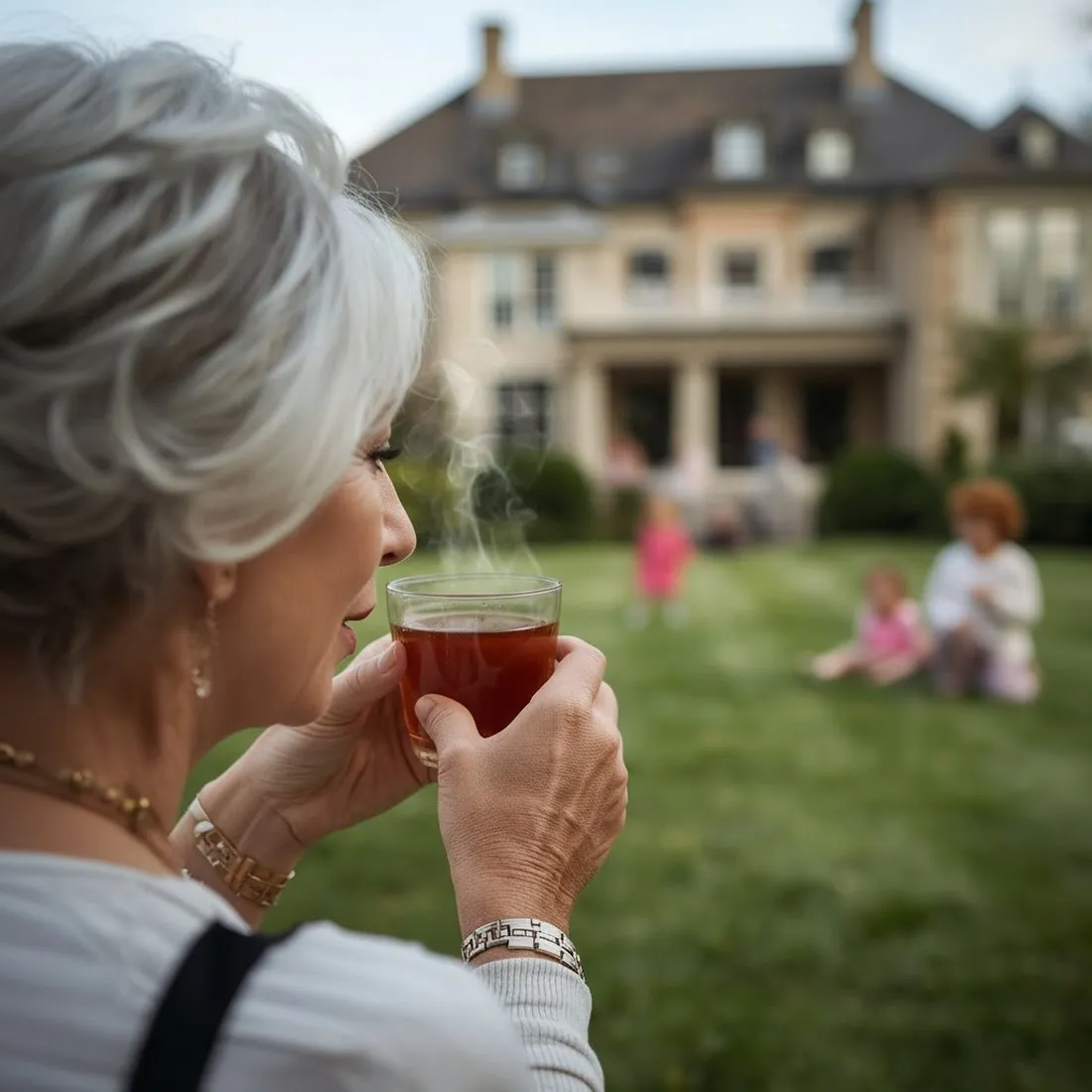
Daily, consistent ritual — not occasional intervention — defines traditional practice.
Daily wellness in African ancestral tradition is a quiet, repeated practice — not an occasional detox — aimed at keeping inflammation low and circulation steady every single day. Modern wellness culture often treats "detox" as an emergency measure — a juice cleanse after a difficult month. Traditional African practice took a fundamentally different approach: systemic clarity wasn't chased once a year in a panic, but tended daily, as an ordinary part of life.
There was no starvation, no dramatic intervention. Traditional daily practice relied on a quiet, sustainable routine designed to keep inflammation low and circulation steady, allowing the body's own filtration systems to do their job without disruption.
This wasn't a trend or a temporary fix — it was a generations-old approach to feeling clear-headed and light, built into the rhythm of daily life rather than treated as a special occasion.
The Daily Vitality & Detox guide walks through this exact daily sequence — the timing that makes it effective, and the small adjustments that turn a good habit into a lasting one.
Further reading: Wikipedia: Ritual · Wikipedia: Wellness (alternative medicine)
This article shares traditional and ancestral wellness knowledge for educational purposes only. It is not medical advice and is not a substitute for consultation with a qualified healthcare professional. Read our full disclaimer.