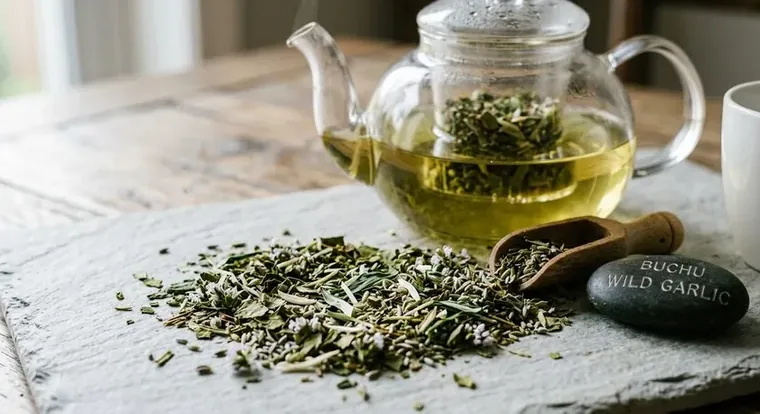
Ancestral skin practice worked from within, long before topical routines existed.
Long before "anti-aging" became a retail category, African traditional practice understood something the modern skincare industry is only recently catching up to: skin health is built from within, through a daily, cellular-level practice — not purchased in a jar.
Rather than relying on a single miracle ingredient, traditional skin rituals followed a layered daily protocol, supporting the skin from the inside where the real work happens — addressing the underlying causes of dullness and premature aging, not just the surface.
This tradition wasn't about occasional, intensive treatments. It was a quiet daily practice, repeated consistently over weeks and months, producing gradual, lasting change rather than a temporary surface effect.
The Fynbos Youth Elixir guide documents this cellular-level approach in full — the daily protocol, the order of preparation, and how to track real progress over time.
Further reading: Wikipedia: Skin care · Wikipedia: Traditional medicine
This article shares traditional and ancestral wellness knowledge for educational purposes only. It is not medical advice and is not a substitute for consultation with a qualified healthcare professional. Read our full disclaimer.